

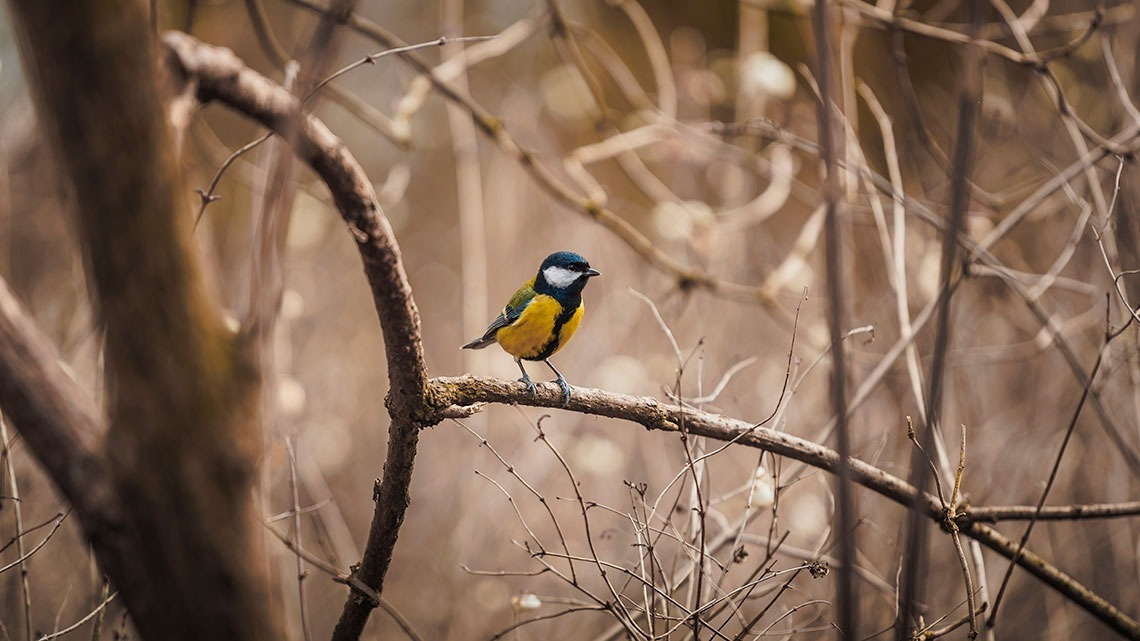
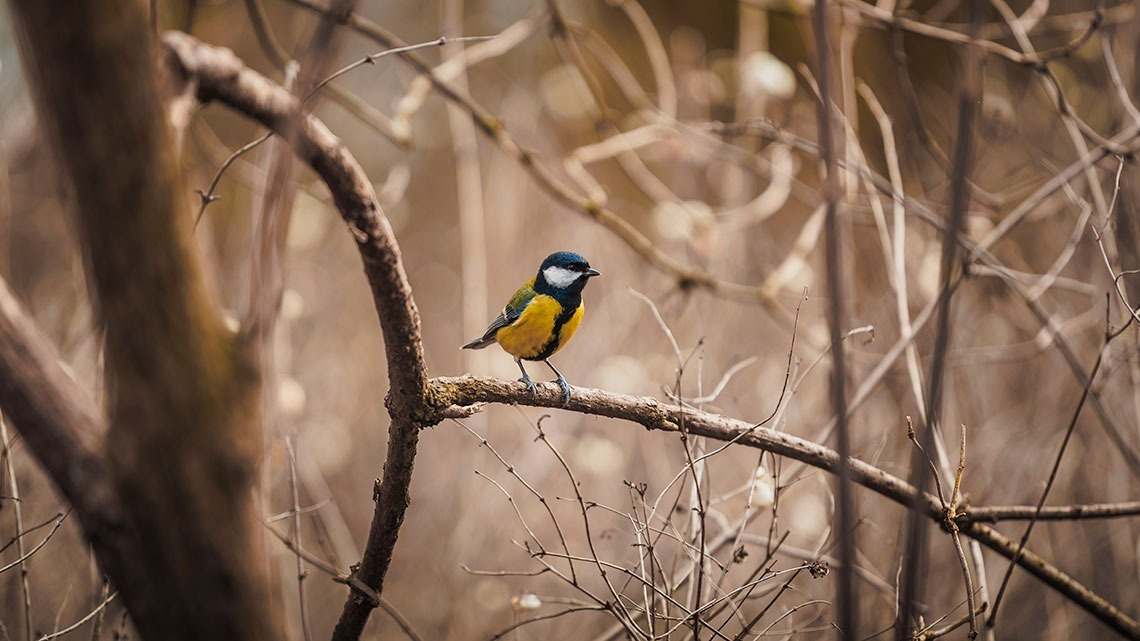
In October, the sky above Sagres fills with birds. Thousands of birds that have spent the summer in northern Europe head south towards Africa and, upon reaching the edge of the continent, pause at the water’s edge. The result is one of the country’s greatest natural spectacles, concentrated in the south-western tip of Europe. You don’t need to be an ornithologist to appreciate it; you just need to know when to go, where to look and where to stay.
This guide explains why Sagres is the best place in Portugal for birdwatching, what you can see at each time of year, and how to make the most of the Sagres Birdwatching Festival, which in 2026 takes place from 2 to 5 October.
Why do birds gather in Sagres?
Soaring birds – eagles, vultures and storks – use thermals to fly with minimal effort. These thermals do not exist over the sea, so they avoid crossing large bodies of water. On their way to Africa, they follow the coastline until the very last possible moment.
On the western side of the Iberian Peninsula, that ‘very last moment’ is Sagres. The birds fly down the coast, gather at the tip of the continent and wait for the right conditions to make the crossing. That is why it is jokingly called the ‘plain of the lost birds’: every autumn, the region hosts a parade of visitors that is seen nowhere else in the country in such numbers.
Added to this is the location at Cape St Vincent, where, on days when the wind is right, hundreds of seabirds fly past offshore. It is the combination of these two factors – land birds and seabirds in the same place – that makes Sagres unique.
What you can see
It depends very much on the month and even on the wind on the day, but generally speaking:
Birds of prey: Bonelli’s eagles, short-toed eagles, Egyptian vultures, and sometimes griffon vultures circling in search of prey. They are the hallmark of the autumn migration.
Seabirds: Gannets (which dive tens of metres to catch fish), shearwaters and, with a bit of luck, less common species. They are best seen from Cape St Vincent when the wind is blowing from the west.
Small migratory birds: (Passerines) stop off in the bushes and trees before their long journey. With a south-easterly wind, they arrive in greater numbers, increasing the chances of spotting rare species.
Black storks: More discreet than their white counterparts, they pass through the region during migration.
The featured species for the 2026 edition of the festival is the razorbill (Alca torda), a seabird of the North Atlantic that begins its migration in October — hence the choice.
When to go: the birdwatching calendar
September and October are the peak months. This is when the greatest variety of birds of prey passes through; there are still seabirds offshore, and the small winter migrants begin to arrive. If you can only choose one time to visit, this is it.
Winter (November to February) is quieter, but with resident wintering birds and the advantage of having the region almost entirely to yourself.
In spring, migration takes place in the opposite direction, heading north. It’s less concentrated than in autumn, but the countryside is in bloom and the days are mild.
The wind calls the shots more than the calendar. If it’s westerly, head to Cape St Vincent to see seabirds. If it’s easterly or south-easterly, stay further inland in search of passerines and birds of prey. A good day starts early each group of birds has its own schedule, and birds of prey, which need the sun’s warmth to fly, are the last to appear.
The Sagres Birdwatching Festival
If you’re just starting out, there’s no better introduction than the festival. Organised by the Municipality of Vila do Bispo in partnership with SPEA-BirdLife and the Almargem Association, it has been held every year since 2008 and is the country’s largest nature tourism event.
2026 edition: 17th edition, 2–5 October (Thursday to Sunday). The secretariat is traditionally based at Forte do Beliche, halfway between Sagres and Cape St Vincent, where participants can collect their wristbands granting access to activities and special rates with local partners.
The programme usually features hundreds of activities for all levels: guided field trips to spot birds of prey and seabirds, boat trips to observe birds and cetaceans, bird ringing (the scientific tagging of birds), photography workshops, walks, and activities for children. Many are free; others are available at special festival prices.
Dates to note (2026): the full programme is released on 5 August and registration opens on 2 September on the official website birdwatchingsagres.com. Some activities sell out quickly, so it’s advisable to sort out accommodation and registration early. Always check the information on the official website before travelling.
Tips for first-time birdwatchers
Take a pair of binoculars. They don’t need to be expensive to get started; a pair of 8x42s will do just fine. At the festival, there are sometimes brands offering the chance to try out their equipment.
Go with a guide or on an organised outing. On your own, you’ll see birds; with a guide, you’ll understand what you’re seeing. It makes all the difference the first few times.
Get up early and dress in layers. The walk begins at sunrise, and the wind at the tip of the coast is treacherous.
Be patient. The joy lies in the wait. Between sightings, the landscape of Cape St Vincent makes any pause worthwhile.
Staying in the village of Pedralva during the migration
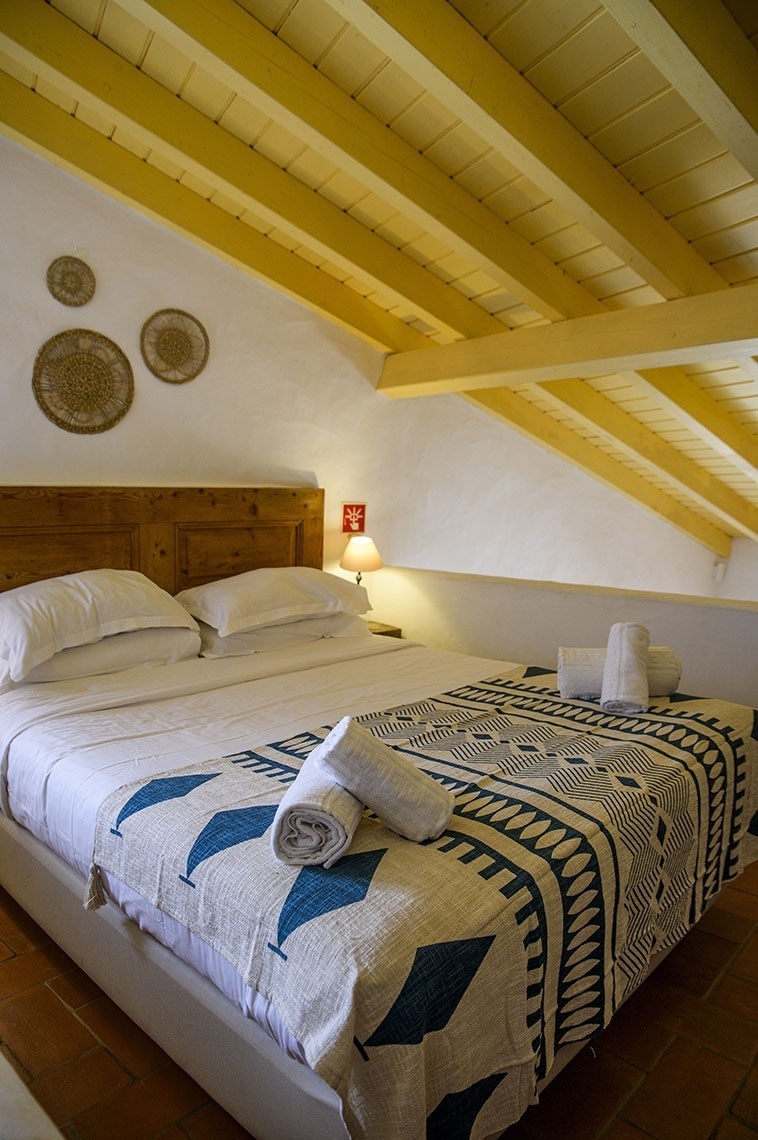
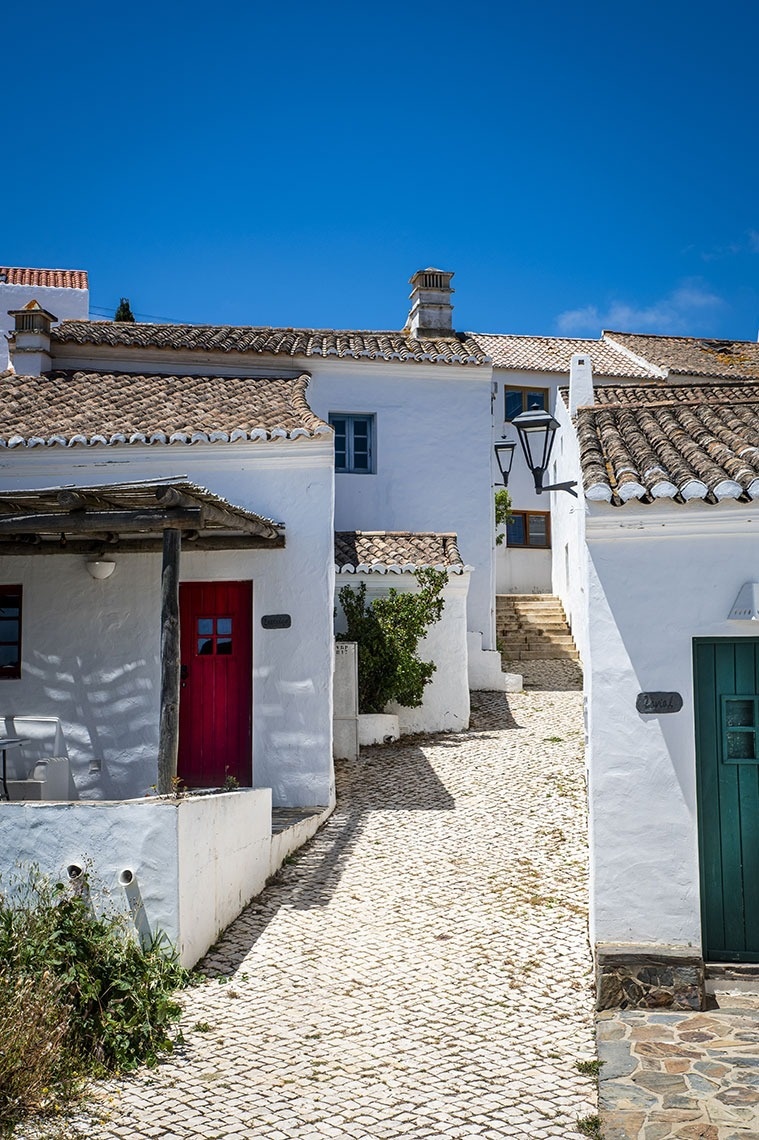
Sagres has limited accommodation and fills up quickly during the festival week. The village of Pedralva, in the municipality of Vila do Bispo, just a few minutes from Sagres, is a peaceful base for these days: a restored village in the heart of the Natural Park, where you wake up in the countryside, set off early for the Cape and return at the end of the day to a country house and a proper dinner.
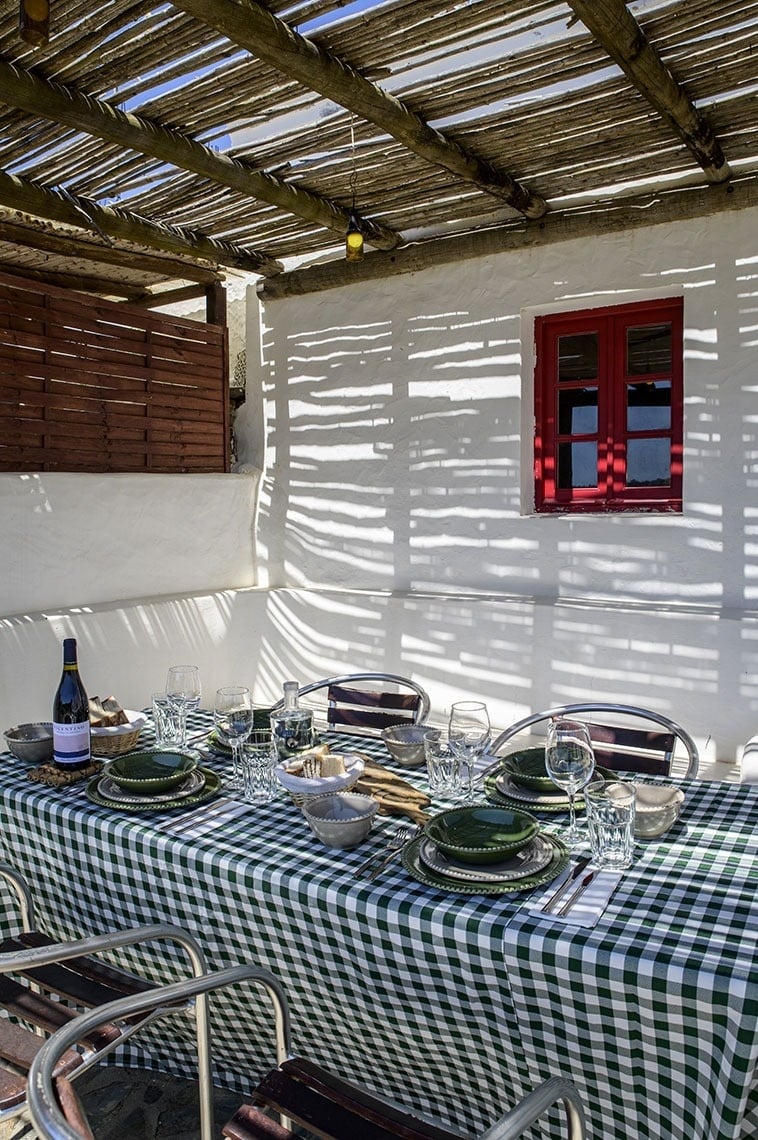
And there’s no shortage of places to dine in the village. Sítio da Pedralva, our restaurant, is a well-known dining spot on the Costa Vicentina, serving dishes such as house-style cod on bread and black pork kebabs. For a more informal evening, Pizza Pazza the village’s pizzeria, with thin-crust pizzas and vegetarian and gluten-free options is the other dining option here. At either place, it’s advisable to book, especially in high season, and to check opening days outside peak season.
For those combining birdwatching with walking, it’s also a stop on the Rota Vicentina you can fill your day with binoculars and hiking without having to repack your bag.
Frequently Asked Questions
When is the best time for birdwatching in Sagres?
September and October, during the autumn migration. This is when the greatest variety of birds of prey and seabirds pass through. The Birdwatching Festival, in early October, coincides with the peak.
When is the Sagres Birdwatching Festival in 2026?
From 2 to 5 October 2026, for the 17th edition. The programme will be announced on 5 August and registration opens on 2 September on the official website.
Do I need any experience to take part?
No. The festival is designed for all levels, with guided walks and activities for beginners and families. It’s the easiest way to get started.
Where can I stay for the festival?
Accommodation in Sagres is limited and sells out quickly during the week of the event. Aldeia da Pedralva, just a few minutes away, is a peaceful and well-located alternative, with two restaurants in the village itself: Sítio da Pedralva and Pizza Pazza. Book in advance.
Want to experience the Sagres migration without having to scramble for accommodation in the village? Discover the houses in Aldeia da Pedralva and book your stay for the festival season.
This guide explains why Sagres is the best place in Portugal for birdwatching, what you can see at each time of year, and how to make the most of the Sagres Birdwatching Festival, which in 2026 takes place from 2 to 5 October.
Why do birds gather in Sagres?
Soaring birds – eagles, vultures and storks – use thermals to fly with minimal effort. These thermals do not exist over the sea, so they avoid crossing large bodies of water. On their way to Africa, they follow the coastline until the very last possible moment.
On the western side of the Iberian Peninsula, that ‘very last moment’ is Sagres. The birds fly down the coast, gather at the tip of the continent and wait for the right conditions to make the crossing. That is why it is jokingly called the ‘plain of the lost birds’: every autumn, the region hosts a parade of visitors that is seen nowhere else in the country in such numbers.
Added to this is the location at Cape St Vincent, where, on days when the wind is right, hundreds of seabirds fly past offshore. It is the combination of these two factors – land birds and seabirds in the same place – that makes Sagres unique.
What you can see
It depends very much on the month and even on the wind on the day, but generally speaking:
Birds of prey: Bonelli’s eagles, short-toed eagles, Egyptian vultures, and sometimes griffon vultures circling in search of prey. They are the hallmark of the autumn migration.
Seabirds: Gannets (which dive tens of metres to catch fish), shearwaters and, with a bit of luck, less common species. They are best seen from Cape St Vincent when the wind is blowing from the west.
Small migratory birds: (Passerines) stop off in the bushes and trees before their long journey. With a south-easterly wind, they arrive in greater numbers, increasing the chances of spotting rare species.
Black storks: More discreet than their white counterparts, they pass through the region during migration.
The featured species for the 2026 edition of the festival is the razorbill (Alca torda), a seabird of the North Atlantic that begins its migration in October — hence the choice.
When to go: the birdwatching calendar
September and October are the peak months. This is when the greatest variety of birds of prey passes through; there are still seabirds offshore, and the small winter migrants begin to arrive. If you can only choose one time to visit, this is it.
Winter (November to February) is quieter, but with resident wintering birds and the advantage of having the region almost entirely to yourself.
In spring, migration takes place in the opposite direction, heading north. It’s less concentrated than in autumn, but the countryside is in bloom and the days are mild.
The wind calls the shots more than the calendar. If it’s westerly, head to Cape St Vincent to see seabirds. If it’s easterly or south-easterly, stay further inland in search of passerines and birds of prey. A good day starts early each group of birds has its own schedule, and birds of prey, which need the sun’s warmth to fly, are the last to appear.
The Sagres Birdwatching Festival
If you’re just starting out, there’s no better introduction than the festival. Organised by the Municipality of Vila do Bispo in partnership with SPEA-BirdLife and the Almargem Association, it has been held every year since 2008 and is the country’s largest nature tourism event.
2026 edition: 17th edition, 2–5 October (Thursday to Sunday). The secretariat is traditionally based at Forte do Beliche, halfway between Sagres and Cape St Vincent, where participants can collect their wristbands granting access to activities and special rates with local partners.
The programme usually features hundreds of activities for all levels: guided field trips to spot birds of prey and seabirds, boat trips to observe birds and cetaceans, bird ringing (the scientific tagging of birds), photography workshops, walks, and activities for children. Many are free; others are available at special festival prices.
Dates to note (2026): the full programme is released on 5 August and registration opens on 2 September on the official website birdwatchingsagres.com. Some activities sell out quickly, so it’s advisable to sort out accommodation and registration early. Always check the information on the official website before travelling.
Tips for first-time birdwatchers
Take a pair of binoculars. They don’t need to be expensive to get started; a pair of 8x42s will do just fine. At the festival, there are sometimes brands offering the chance to try out their equipment.
Go with a guide or on an organised outing. On your own, you’ll see birds; with a guide, you’ll understand what you’re seeing. It makes all the difference the first few times.
Get up early and dress in layers. The walk begins at sunrise, and the wind at the tip of the coast is treacherous.
Be patient. The joy lies in the wait. Between sightings, the landscape of Cape St Vincent makes any pause worthwhile.
Staying in the village of Pedralva during the migration
Sagres has limited accommodation and fills up quickly during the festival week. The village of Pedralva, in the municipality of Vila do Bispo, just a few minutes from Sagres, is a peaceful base for these days: a restored village in the heart of the Natural Park, where you wake up in the countryside, set off early for the Cape and return at the end of the day to a country house and a proper dinner.
And there’s no shortage of places to dine in the village. Sítio da Pedralva, our restaurant, is a well-known dining spot on the Costa Vicentina, serving dishes such as house-style cod on bread and black pork kebabs. For a more informal evening, Pizza Pazza the village’s pizzeria, with thin-crust pizzas and vegetarian and gluten-free options is the other dining option here. At either place, it’s advisable to book, especially in high season, and to check opening days outside peak season.
For those combining birdwatching with walking, it’s also a stop on the Rota Vicentina you can fill your day with binoculars and hiking without having to repack your bag.
Frequently Asked Questions
When is the best time for birdwatching in Sagres?
September and October, during the autumn migration. This is when the greatest variety of birds of prey and seabirds pass through. The Birdwatching Festival, in early October, coincides with the peak.
When is the Sagres Birdwatching Festival in 2026?
From 2 to 5 October 2026, for the 17th edition. The programme will be announced on 5 August and registration opens on 2 September on the official website.
Do I need any experience to take part?
No. The festival is designed for all levels, with guided walks and activities for beginners and families. It’s the easiest way to get started.
Where can I stay for the festival?
Accommodation in Sagres is limited and sells out quickly during the week of the event. Aldeia da Pedralva, just a few minutes away, is a peaceful and well-located alternative, with two restaurants in the village itself: Sítio da Pedralva and Pizza Pazza. Book in advance.
Want to experience the Sagres migration without having to scramble for accommodation in the village? Discover the houses in Aldeia da Pedralva and book your stay for the festival season.