
Around
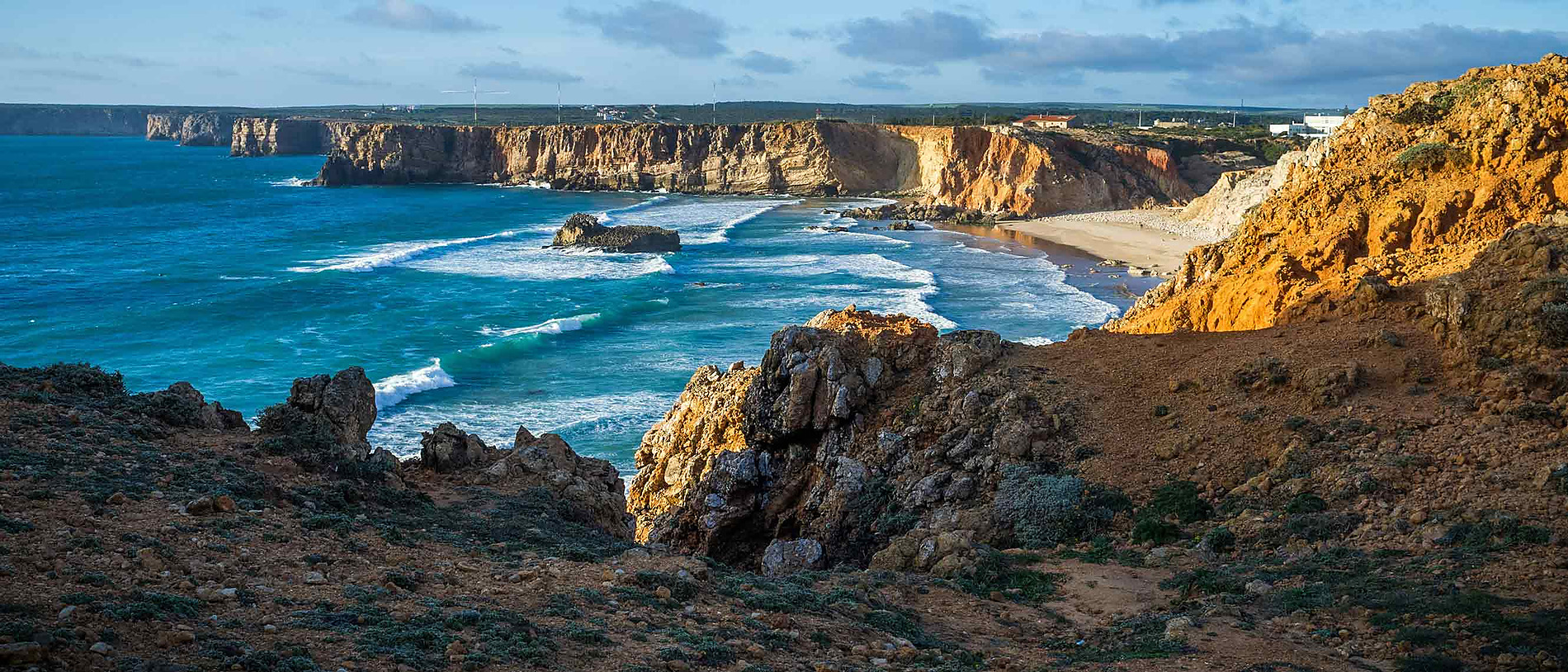
Between whitewashed houses, red earth, and the Atlantic always present on the horizon, the Costa Vicentina reveals itself.
Between whitewashed houses, red earth, and the Atlantic always present on the horizon, the Costa Vicentina reveals itself.
In Aldeia da Pedralva, time recovers an ancient rhythm and the gaze extends over a wild territory, shaped by the wind, the sea, and the rural life that has endured here. Our privileged location, in the heart of the Southwest Alentejo and Costa Vicentina Natural Park, invites you to discover, with tranquility, everything this region has to offer around you.
In Aldeia da Pedralva, time recovers an ancient rhythm and the gaze extends over a wild territory, shaped by the wind, the sea, and the rural life that has endured here. Our privileged location, in the heart of the Southwest Alentejo and Costa Vicentina Natural Park, invites you to discover, with tranquility, everything this region has to offer around you.
The villageTHAT WAS REBORN
Located in the municipality of Vila do Bispo, between Carrapateira and Vila do Bispo itself, Pedralva is a rural village with references dating back at least to the 18th century. Throughout the 20th century, the exodus to the cities emptied its streets, and in recent decades only nine inhabitants remained, in a handful of houses in an advanced state of ruin.
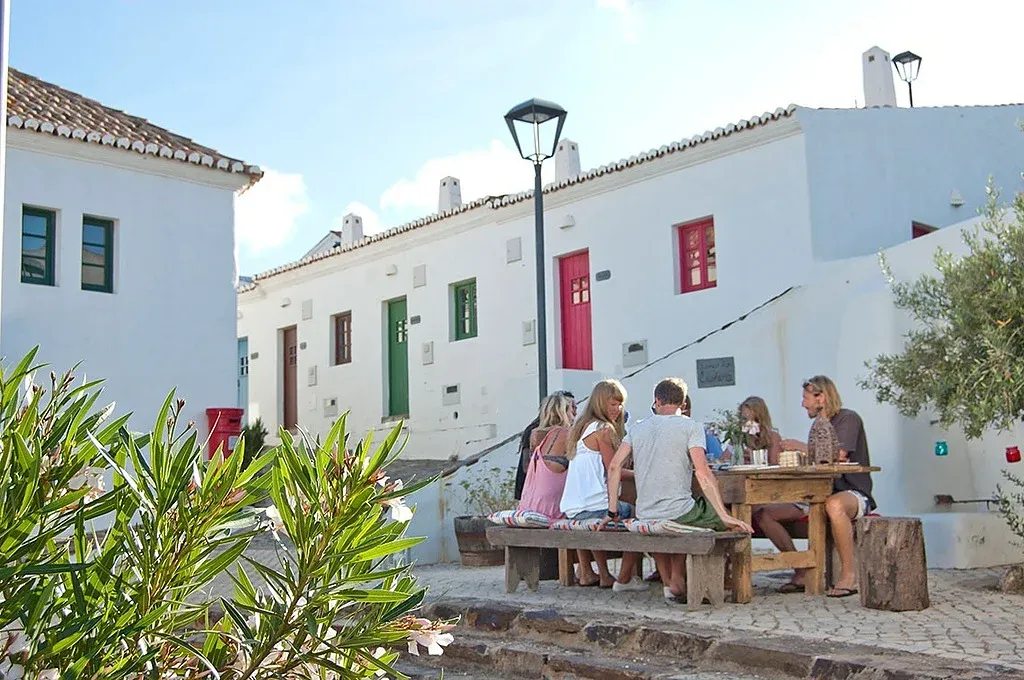
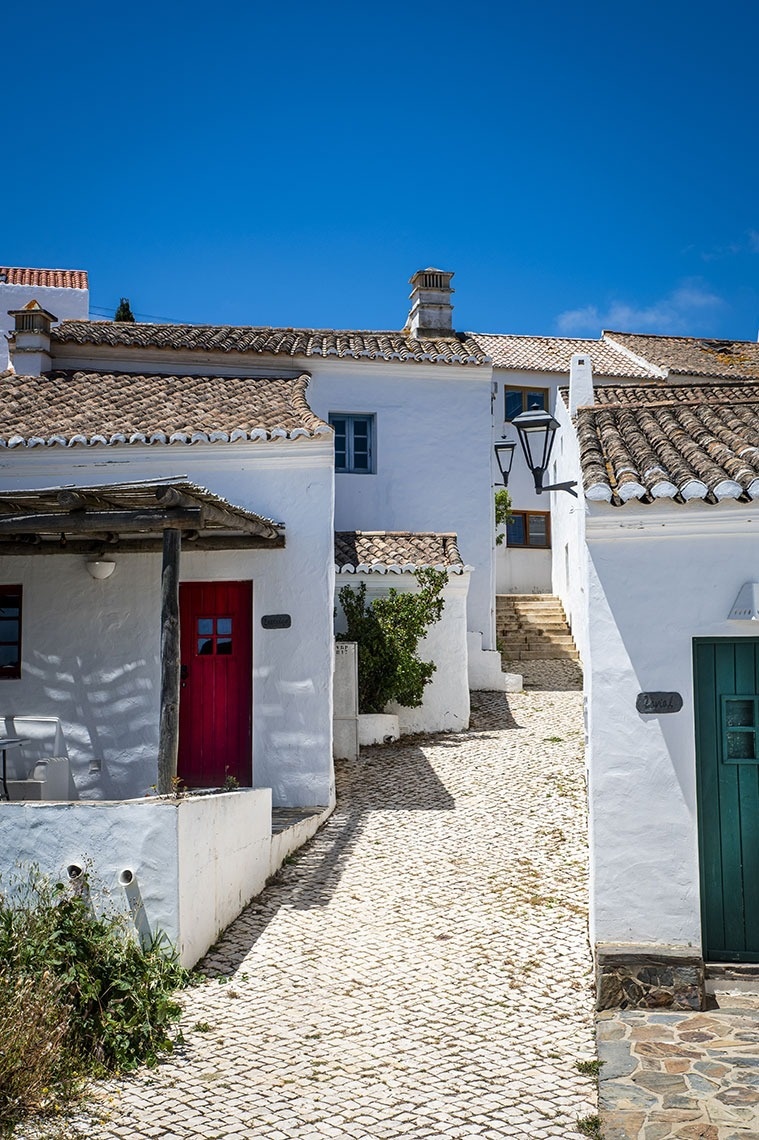
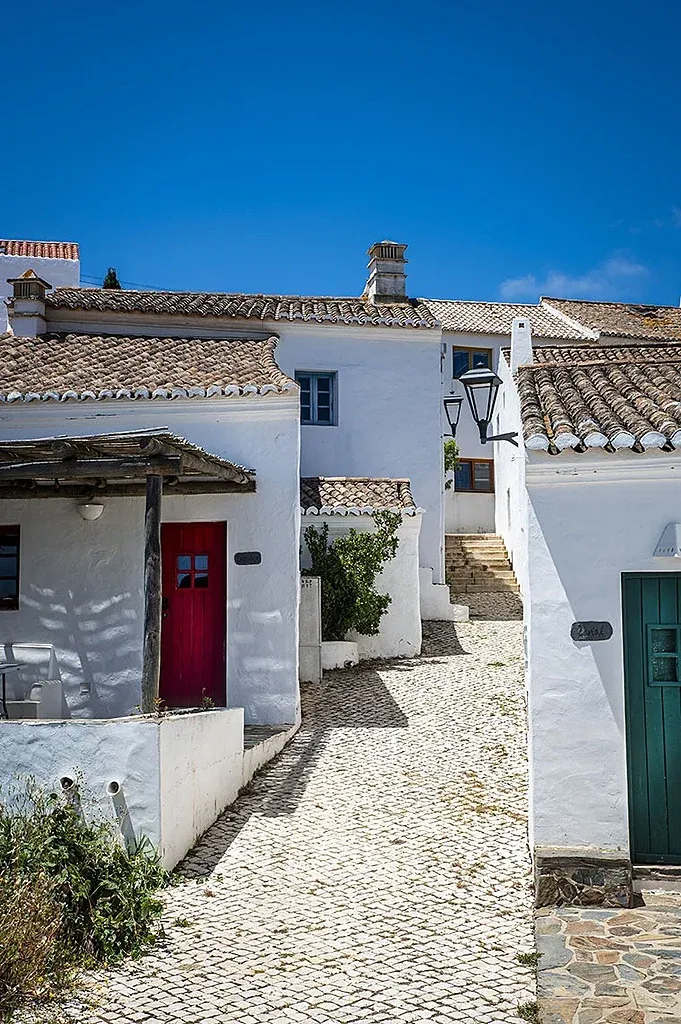
In 2006, an urban recovery project brought it back to life. Over two years, dozens of houses were negotiated and acquired from more than two hundred owners and heirs scattered throughout Portugal and Europe, with the commitment to rebuild each one according to the original layout, using traditional regional techniques and materials. Today, the village has restored country houses, many of them named after the most beautiful beaches on the Vicentine coast, narrow cobbled streets following the hillside, and an old primary school that bears witness to the history of the place. Walking through Pedralva is walking through a genuinely Algarve village, brought back to life without losing its soul.
In 2006, an urban recovery project brought it back to life. Over two years, dozens of houses were negotiated and acquired from more than two hundred owners and heirs scattered throughout Portugal and Europe, with the commitment to rebuild each one according to the original layout, using traditional regional techniques and materials. Today, the village has restored country houses, many of them named after the most beautiful beaches on the Vicentine coast, narrow cobbled streets following the hillside, and an old primary school that bears witness to the history of the place. Walking through Pedralva is walking through a genuinely Algarve village, brought back to life without losing its soul.
The beaches OF THE COSTA VICENTINA
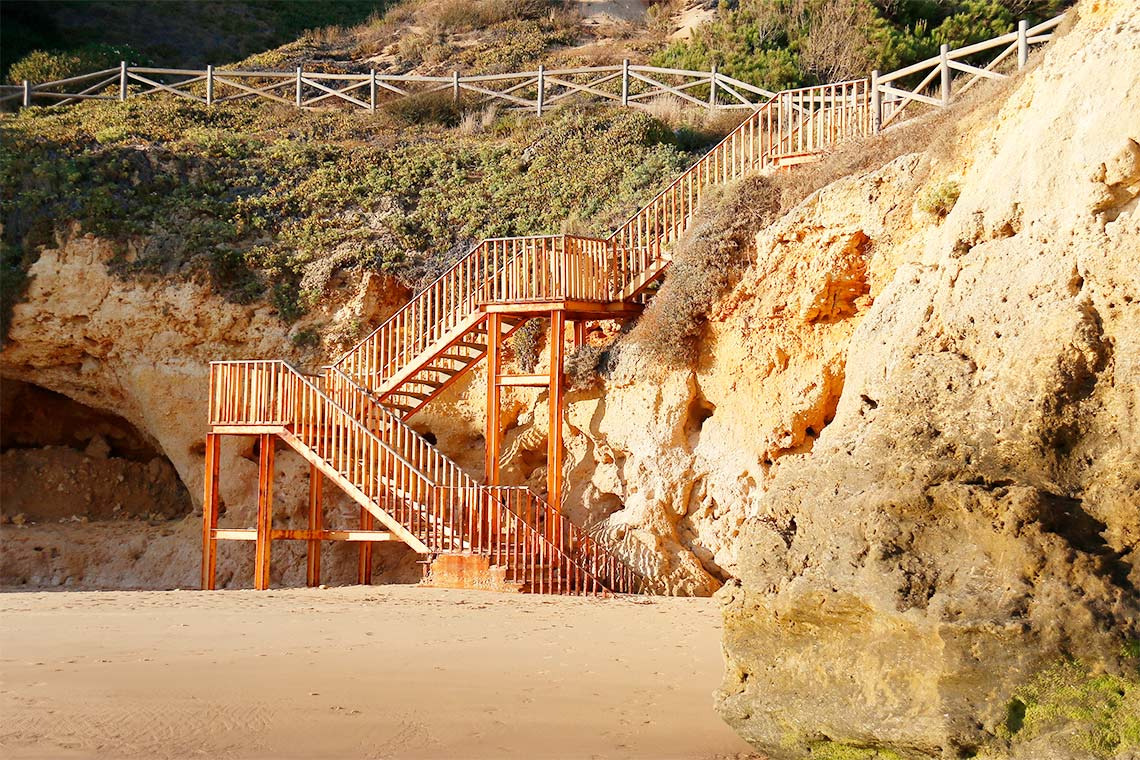
A few minutes from Pedralva, the Costa Vicentina offers some of the most spectacular and untamed beaches in Portugal. Next to the neighboring Carrapateira, Bordeira Beach stretches over two kilometers of wide sand, flanked by dunes and dark shale cliffs, while Amado Beach, facing south, is the stage for international surfing competitions and a meeting point for surfers from all over the world throughout the year. Between the two beaches, the Pontal da Carrapateira circular trail, about ten kilometers long, runs along cliffs, dunes, and low-lying vegetation, revealing seabirds and landscapes that change at every turn. This section is part of the Fishermen's Trail, part of the Rota Vicentina, one of the most acclaimed coastal routes in Europe, which connects more than two hundred kilometers of coastline between the Alentejo and the Algarve via old fishermen's paths. For those looking for the sea in its raw state, without developments or crowds, this is your nearest gateway.
Sagres and Cape Saint Vincent THE END OF THE WORLD
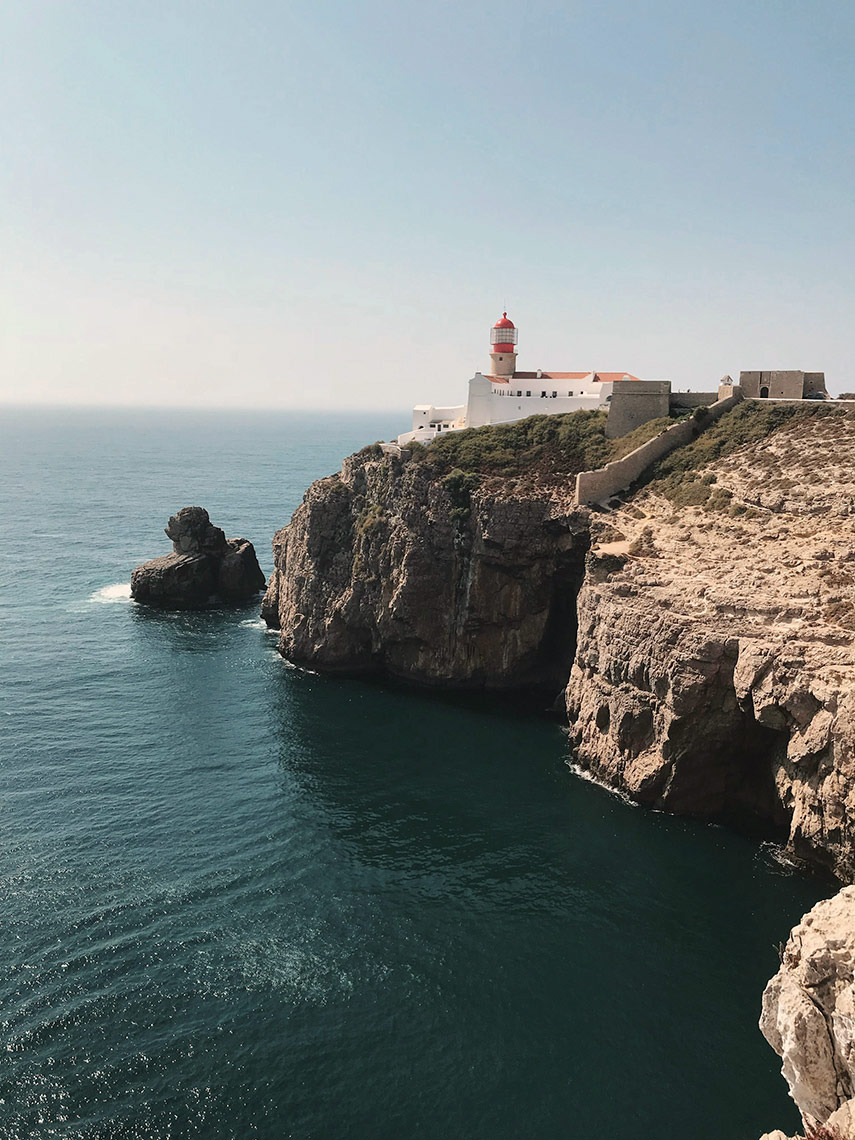
Lagos HISTORY, SEA AND LIVELY LIFE
About a thirty-minute drive from Pedralva lies Lagos, one of the most vibrant historic cities in the Algarve. Its center, still surrounded by 14th-century walls, preserves cobblestone streets, the Church of Santo António with its gilded Baroque interior, and memories—some painful—of the Age of Discovery: it was from here that some of the first Portuguese maritime expeditions departed, and it is also here that a plaque commemorates the site of Europe’s first slave market.
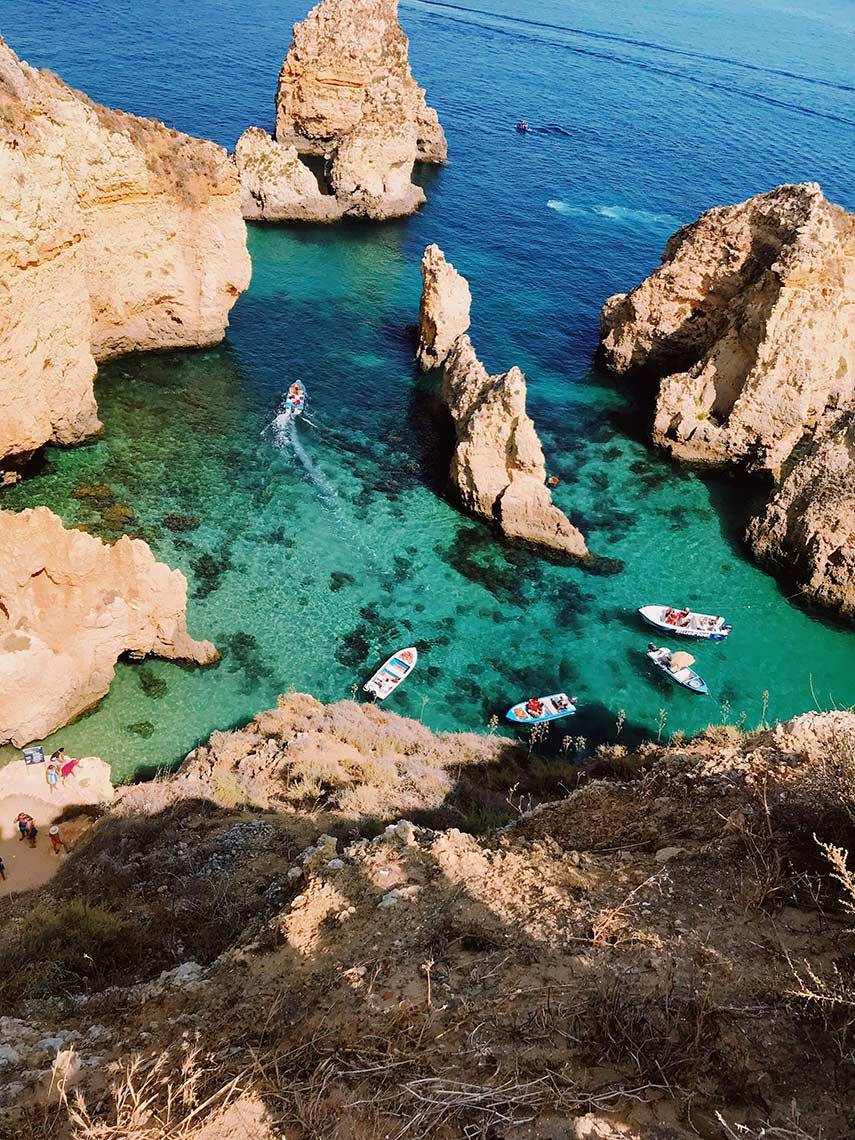
By the seaside, the 17th-century Forte da Ponta da Bandeira guards the entrance to the bay, and the marina comes to life in the late afternoon, with bars and restaurants facing the anchored boats. But it is on the coast, just a few minutes' walk from the center, that Lagos reveals itself most: Ponta da Piedade, a labyrinth of golden cliffs, caves, and arches carved by the sea, can be explored on foot, by kayak, or on small boat trips. Nearby, Praia de Dona Ana and Praia do Camilo, small coves of golden sand framed by ocher rocks, are among the most photographed in Portugal, while Meia Praia, on the other side of the river, stretches for nearly six kilometers for those seeking more space.
Between the historic center, the marina life, and its postcard-perfect beaches, Lagos is the perfect complement to a quieter day in Pedralva, without ever being too far from home.
By the seaside, the 17th-century Forte da Ponta da Bandeira guards the entrance to the bay, and the marina comes to life in the late afternoon, with bars and restaurants facing the anchored boats. But it is on the coast, just a few minutes' walk from the center, that Lagos reveals itself most: Ponta da Piedade, a labyrinth of golden cliffs, caves, and arches carved by the sea, can be explored on foot, by kayak, or on small boat trips. Nearby, Praia de Dona Ana and Praia do Camilo, small coves of golden sand framed by ocher rocks, are among the most photographed in Portugal, while Meia Praia, on the other side of the river, stretches for nearly six kilometers for those seeking more space.
Between the historic center, the marina life, and its postcard-perfect beaches, Lagos is the perfect complement to a quieter day in Pedralva, without ever being too far from home.
Highlight section THE EXPERIENCE
In a village with life, time has a different rhythm
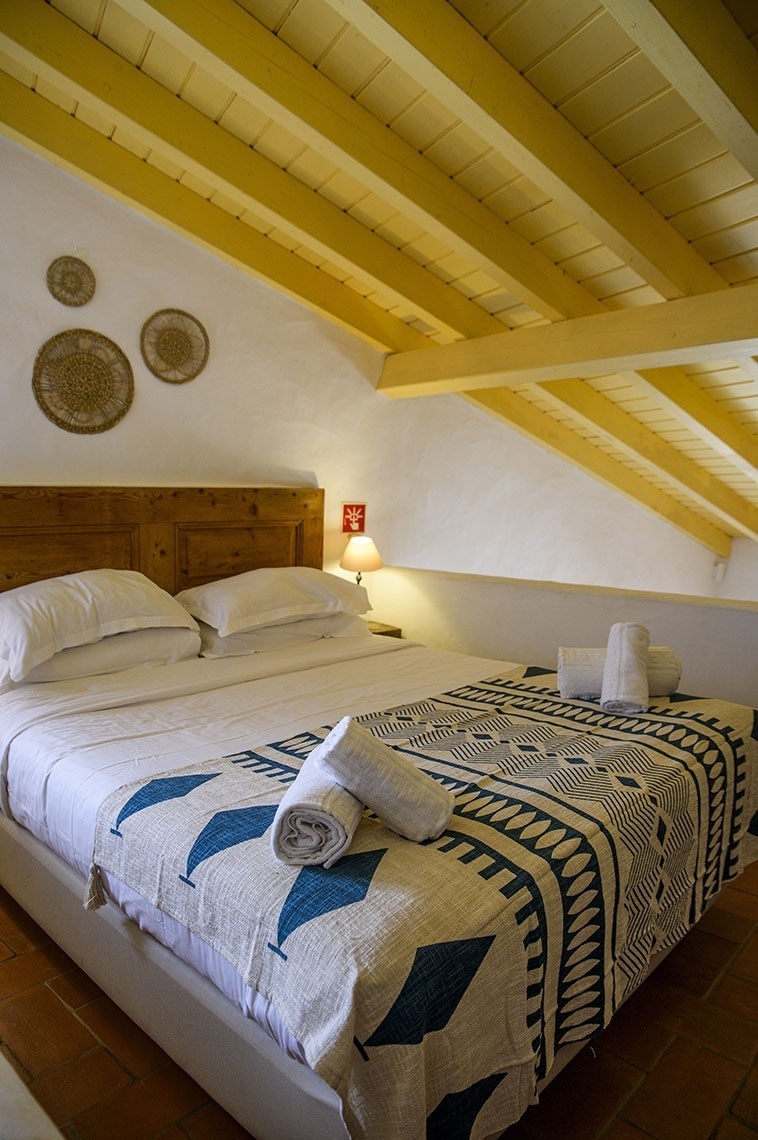
Staying at Aldeia da Pedralva means settling into the very story told about it: a genuine country house, among other houses named after beaches, narrow cobbled streets, and a community that came back to life after almost disappearing.
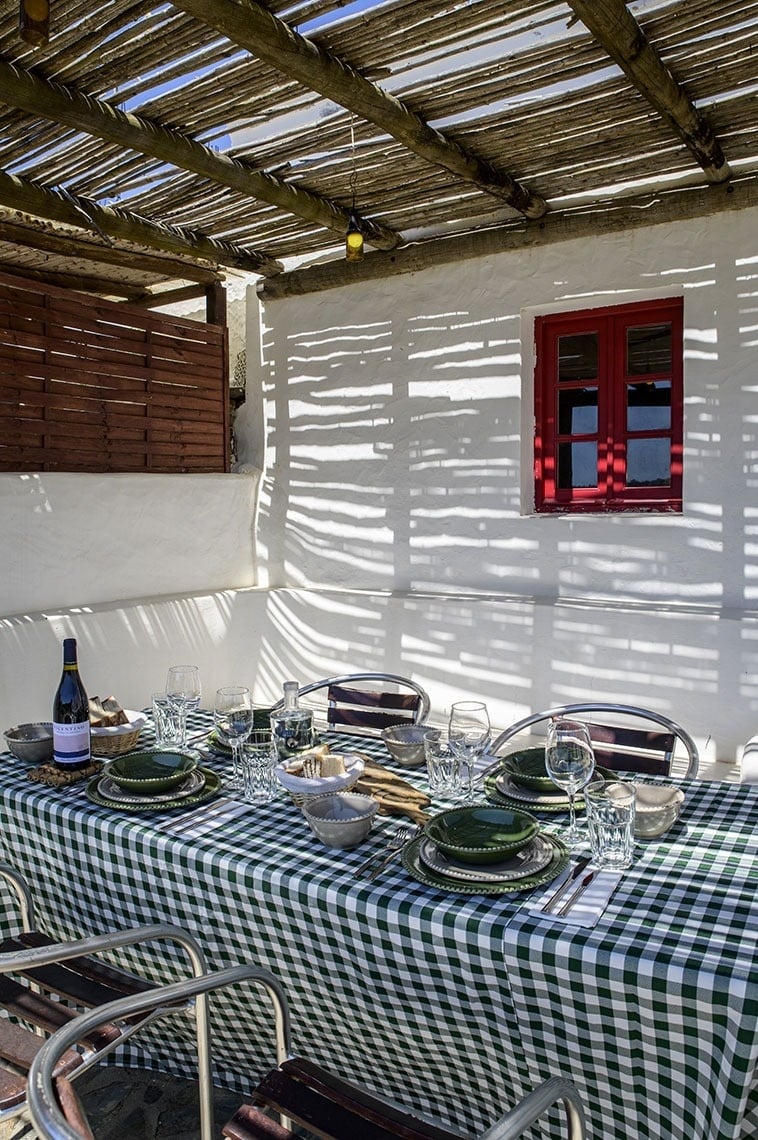
The Sítio da Pedralva restaurant, the village meeting point, and its central café bring together those who visit and those who live nearby, while outside, the silence is only interrupted by the wind coming from the Atlantic. A few minutes' drive away are the beaches of Bordeira and Amado, the town of Vila do Bispo, and Cabo de São Vicente itself.
But the most special thing is what is right at your doorstep: an entire village brought back to life, and the Costa Vicentina, wild and intact, stretching out all around you.
Staying at Aldeia da Pedralva means settling into the very story told about it: a genuine country house, among other houses named after beaches, narrow cobbled streets, and a community that came back to life after almost disappearing.
The Sítio da Pedralva restaurant, the village meeting point, and its central café bring together those who visit and those who live nearby, while outside, the silence is only interrupted by the wind coming from the Atlantic. A few minutes' drive away are the beaches of Bordeira and Amado, the town of Vila do Bispo, and Cabo de São Vicente itself.
But the most special thing is what is right at your doorstep: an entire village brought back to life, and the Costa Vicentina, wild and intact, stretching out all around you.